Interior design process in London. Six structured stages from initial brief to completed residential home with technical drawings for builders and full budget control.
DESIGN PROCESS
Six clear stages from first conversation
to a London home ready for living
Most London residential interior and bespoke kitchen and fitted wardrobe projects that go wrong do not fail because of poor craftsmanship. They fail because decisions were made in the wrong order, drawings were incomplete and nobody controlled the budget until it was too late. Our process exists to prevent exactly that.
A design process built to protect your investment, your budget and your time from the very first conversation.
Over 23 years of residential design in London and Poland, we have seen the same problems repeat across hundreds of projects. A kitchen that costs 30 percent more than quoted because the drawings left too many decisions to the contractor. Fitted wardrobes that do not align with the walls because nobody measured the space to millimetre accuracy before production began. A builder on site saying "this was not on the drawing" while the client pays for every hour of delay. These are not rare events. They are what happens when the design process is weak, rushed or absent altogether.
Our six stage process is structured specifically to prevent all of this. Every project we accept follows the same framework, adapted to the scope and complexity of your home. You always know which stage you are in, what decisions are needed from you at that point and what the next step will be. Nothing is rushed, nothing is skipped and nothing is left to interpretation. The project moves forward with clarity and consistency from the first sketch to the final fitting.
The process is not bureaucracy. It is risk control. When decisions are made in the correct sequence, supported by accurate drawings and realistic visualisations, the outcome on site matches the design intent precisely. Budget surprises become rare. Site delays become manageable. The finished home reflects the original vision without the stress and additional cost that poorly managed projects generate.
What a structured process prevents:
• budget overruns caused by incomplete drawings and contractor interpretation
• material and finish decisions reversed during installation because they were never properly confirmed
• joinery that does not fit because workshop drawings lacked critical dimensions
• scope creep and late redesign requests that multiply cost and delay completion
• disputes between client, designer and contractor caused by unclear documentation
The principle is simple: when the process is correct, the result is predictable. When the process is weak, cost and stress multiply.
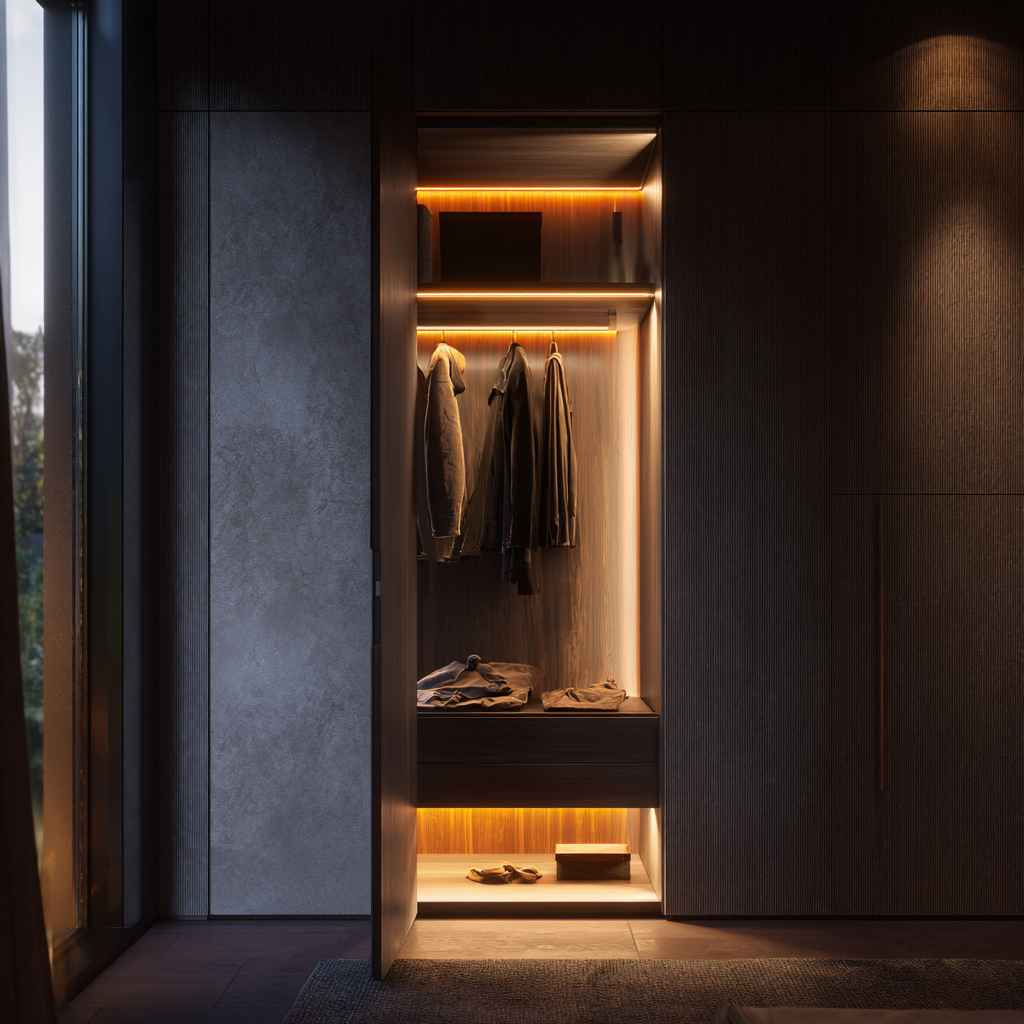
01. Understanding Your Life
We understand how you actually live before a single line is drawn
The first conversation is never about style or materials. It is about how you use your home, how your household functions day to day and what is genuinely not working in the spaces you have now. This is the foundation that every design decision rests on. A London kitchen designed around how you actually cook is fundamentally different from one designed around a photograph.
The single most common reason interior projects fail is that the brief was incomplete. Priorities were assumed, not confirmed. Storage was underestimated. Budget expectations were never discussed honestly. We prevent this by establishing the full picture before any design work begins.
What you gain at this stage:
• a project grounded in how your home is genuinely used, not how homes look in magazines
• clear priorities and an honest budget framework established from the outset
• early identification of scope, preventing costly scope changes later in the process
02. Design Direction
The spatial logic, material strategy and visual identity of your home are defined
Before any detail is resolved, the project needs a clear spatial and visual direction. We establish how the spaces connect, how light moves through the home and how materials will work together across the whole interior. This stage gives the project its identity and ensures that every subsequent decision reinforces rather than contradicts the design logic.
Projects that skip this stage produce rooms that do not relate to each other. The kitchen feels like one project, the bedroom like another. Materials clash. The overall impression is disjointed. We prevent this by aligning the entire project before committing to any individual element.
What you gain at this stage:
• a coherent design direction that ties every room and element into a considered whole
• early budget and scope alignment so expectations are realistic before development begins
• confidence that the project is moving in exactly the right direction before significant investment is made
03. 3D Visualisations
You see exactly how the finished space will look and feel before anything is built
Photorealistic 3D visualisations are not a presentation tool. They are a risk control tool. They allow you to see how materials actually behave in your specific light conditions, how proportions read at full scale and how your bespoke kitchen or fitted wardrobes will sit within the architecture of the room. You can compare timber finishes side by side. You can judge whether a worktop colour works with the flooring. You can confirm that the wardrobe proportions feel right in the context of the bedroom, not just on a flat elevation drawing.
This is the stage where expensive mistakes are prevented. A stone worktop that looked right on a sample board but reads entirely differently at three metres. A handle finish that clashes with the tap. A shelf depth that seemed generous on paper but crowds the room in reality. All of these decisions are tested and confirmed visually before a single material is ordered or a single piece of joinery enters production.
What you gain at this stage:
• complete confidence in material and finish decisions before fabrication or construction begins
• the ability to verify spatial proportions and furniture dimensions in photorealistic context
• elimination of costly post installation regret caused by decisions made from flat drawings or small samples
04. Project Development
Every proportion, material and technical solution is fully resolved
With the design direction confirmed and the visualisations approved, we develop the project in full detail. Every junction is drawn, every material is specified by name and finish, every dimension is confirmed against the actual measured geometry of the space. This stage transforms the concept into a complete design package that is technically accurate and ready for the next stage of documentation.
This is where the design stops being a visual idea and becomes a buildable set of instructions. If a kitchen worktop meets a window reveal, the junction is resolved. If a wardrobe panel meets a ceiling with an uneven profile, the solution is drawn. Nothing is left for the joiner or contractor to interpret on site. Interpretation on site is where budgets fail.
What you gain at this stage:
• a fully resolved design in which no detail has been left to contractor interpretation
• precise material and finish specifications that can be priced accurately by London suppliers
• certainty that every element of the design is coherent, coordinated and buildable
05. Technical Documentation
Production ready drawings that London contractors and joinery workshops can build from immediately
Technical documentation is where design intention becomes construction reality. This is the single most important stage in the entire process and the one that most studios underdeliver. We prepare complete, dimensioned drawings and material schedules to a standard that London contractors and joinery workshops can price accurately, sequence correctly and build from without ambiguity.
For bespoke kitchens, this means every cabinet is drawn with internal dimensions, hinge positions, handle locations, worktop junctions and service coordination for plumbing and electrics. For fitted wardrobes, every shelf, rail, drawer runner and panel is specified to the millimetre, with clearances calculated for the actual wall geometry of the room. The workshop receives documentation that is ready for production. The contractor receives documentation that is ready for site. Nobody is left to guess.
This is the stage that determines whether a kitchen costs what was agreed or 30 percent more. Incomplete drawings generate questions. Questions generate delays. Delays generate additional costs. Our documentation is designed to eliminate every one of these problems before the first day on site.
What you gain at this stage:
• a complete documentation package ready to issue to contractors and workshops for immediate pricing
• accurate pre construction cost information based on fully resolved drawings, not estimates
• elimination of the technical ambiguities that generate additional costs and programme delays on site
06. Implementation Coordination
We remain engaged throughout to ensure the design is built exactly as intended
We do not hand over the drawings and step away. We remain actively involved throughout fabrication and installation, coordinating between joiners, contractors and suppliers to ensure that the design intent is maintained with full consistency from the first day on site to the last.
Installation is where risk accumulates fastest. A kitchen fitter encounters a service pipe that was not on the builder's drawings. A wardrobe panel arrives 5mm too wide for the alcove. A tiler starts work before the joinery is fitted and the sequence needs correcting. These are routine events on London residential sites. The difference is whether they are caught and resolved in hours by a designer who knows the project in full detail, or whether they compound over days and weeks into costly rework and dispute.
We answer questions promptly, verify details on site and ensure that any deviation from the agreed design is identified and resolved before it becomes a problem. Your contractor knows exactly who to call. Your joiner knows the documentation is reliable. You know the finished result will match what was agreed.
What you gain at this stage:
• the assurance that someone with full knowledge of the design is overseeing the construction quality
• direct studio support in all communications with your London contractors and installation teams
• certainty that the finished home matches the design in every detail, not just in general impression
The result is a home that was designed with full confidence, built without unnecessary disruption and ready for everyday life for many years to come.
When the process is clear and every decision is made at the right stage, the finished home is exactly what was designed. Not approximately. Exactly.
If you are planning an interior, bespoke kitchen or architecture project in London and you want a process that keeps your budget under control and your decisions confident, we would be glad to hear about it.
Write to us and describe your project in a few sentences. We accept a limited number of projects each year to ensure every client receives the full attention their home deserves. We will respond within 3 working days with a clear outline of how we can help. No obligation.